Architectural Studies
-
Honors College Magazine Feature
My project, the Kaiten Bench has been featured in an article by the University of Arkansas’ Honors College Magazine, APlus! An embed of the article can be found below for you to read.

-
Kaiten Bench
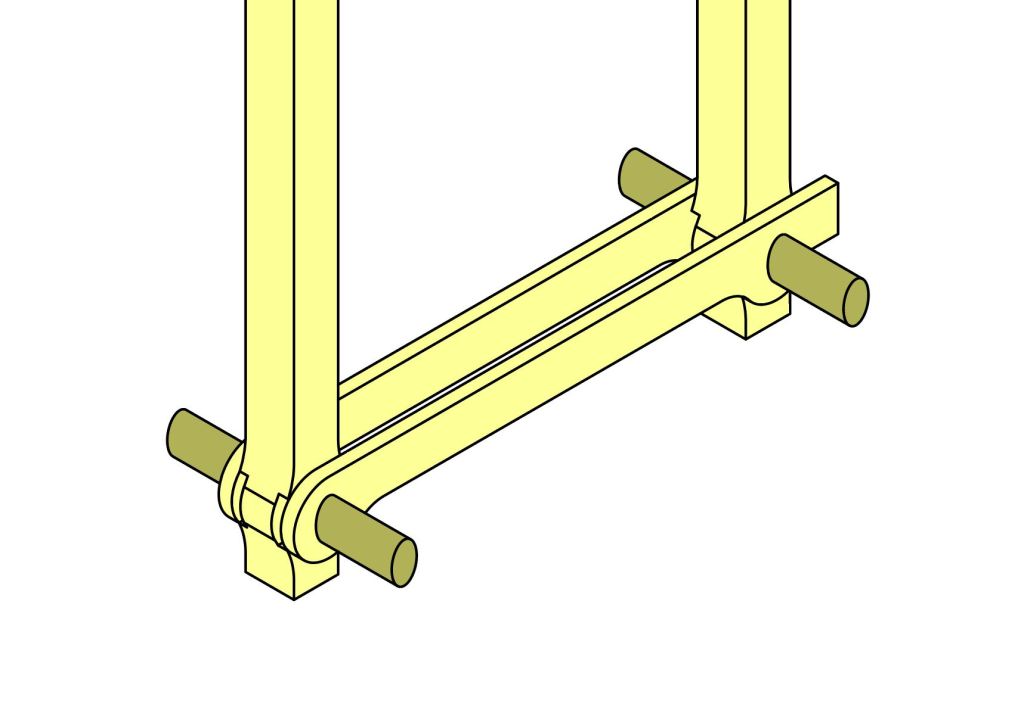
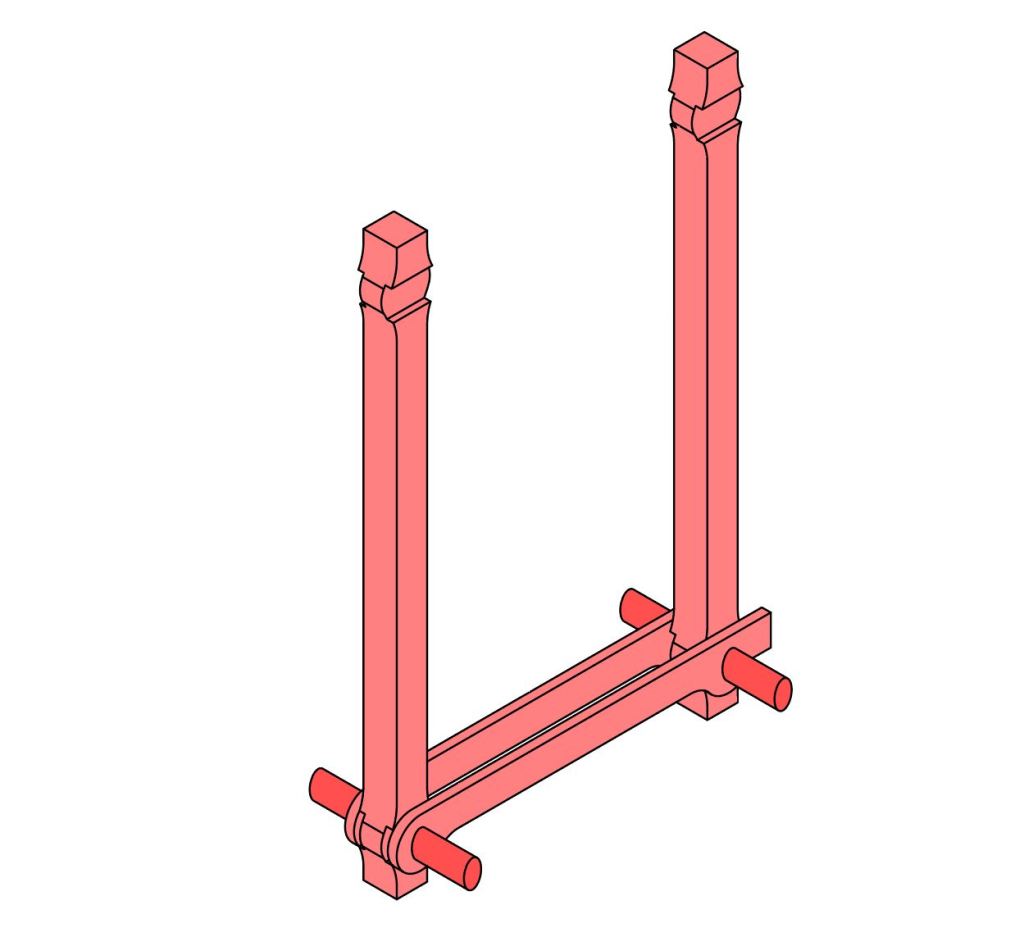
The Kaiten Bench is the result of my Honors Design Thesis at the Fay Jones School of Architecture + Design at the University of Arkansas. Kaiten, Japanese for “rotate” aptly describes the mechanism by which this bench, assembled exclusively by CNC cut Japanese joinery methods, is put together. As the two spines rotate up into…

-
Honors Thesis: Document
Bench – A Design Process to Make a Digitally Manufactured Furniture System Using the Spirit of Japanese Joinery The complete document for my Honors Design Thesis at the Fay Jones School of Architecture + Design is available for download via the University of Arkansas ScholarWorks archive at the link above, or online via the URL…
-
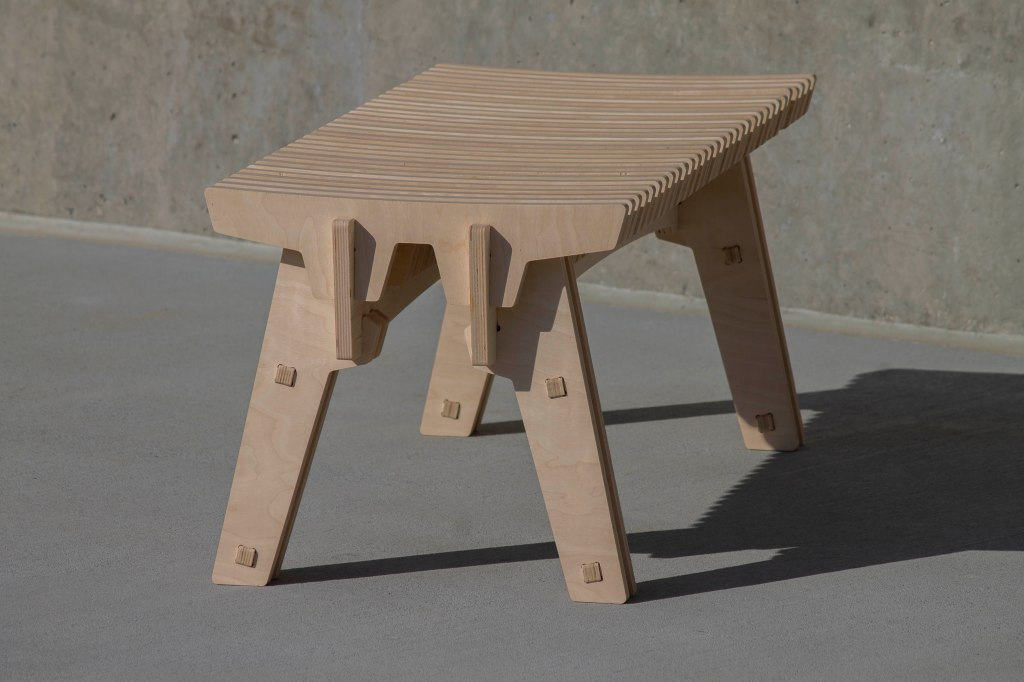
Spirit of Japanese Joinery: Modular Bench System V2.1
The issue regarding the thinness of the legs was addressed by doubling up the legs, and securing them to one another by sandwiching two brackets between them. These brackets feature pegs which emerge slightly proud of the leg surface, contributing to a thoughtful, handcrafted look. Minor final adjustments to the cut paths, and overall form…
-
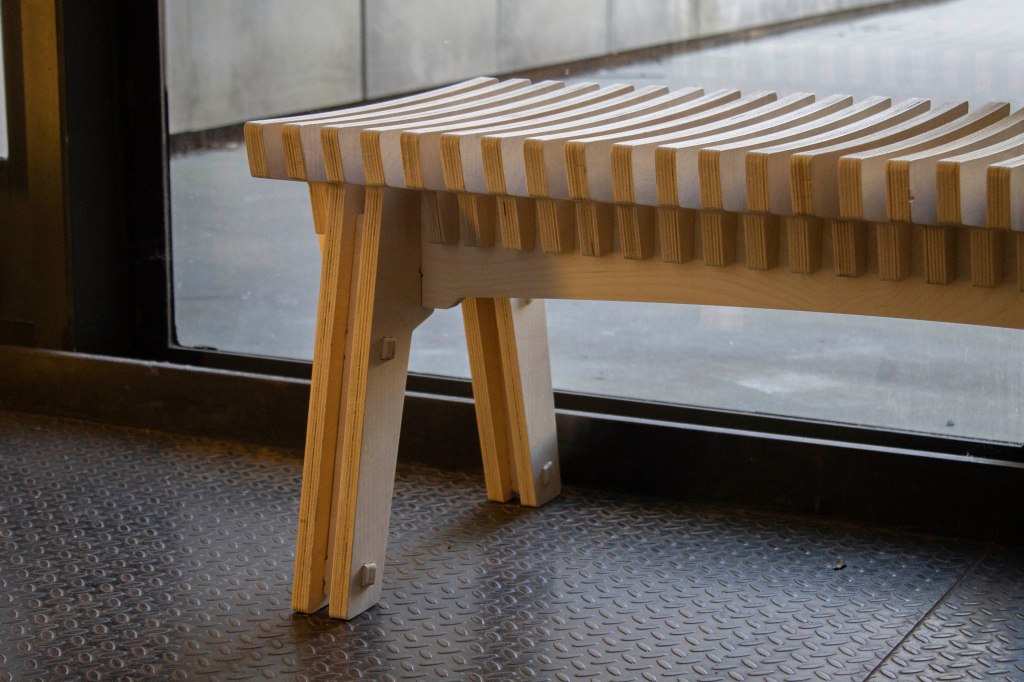
Spirit of Japanese Joinery: Modular Bench System v2.0
Laser cut plywood, 1/3rd scale This iteration of the Modular Bench System is a major aesthetic and functional overhaul. The capability for this system to be completely assembled and disassembled without glue or screws was made possible by the two counter rotating spines, interlocking with the leg frames and seat slats. The only way to…
-
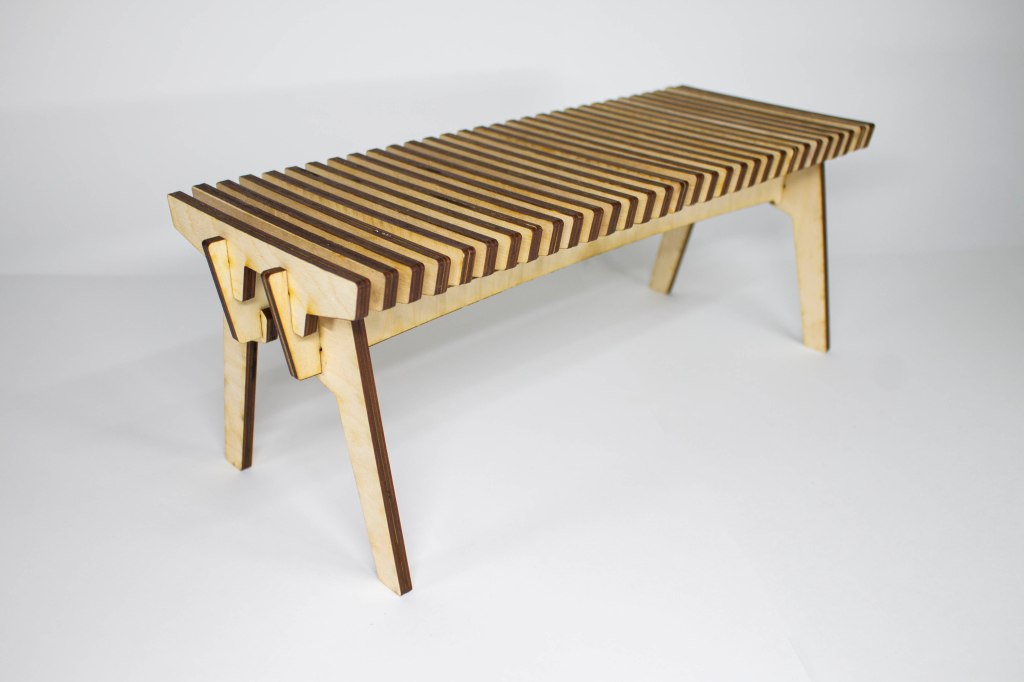
Spirit of Japanese Joinery: Modular Bench System v1.2
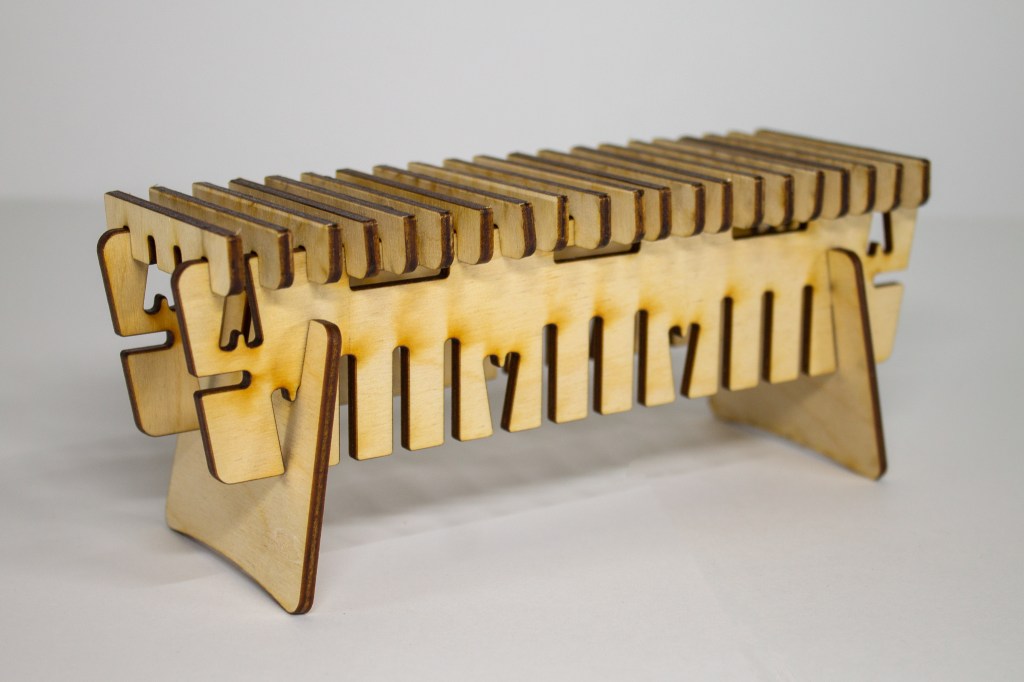
Laser cut plywood, 1/6th scale This step was the catalyst for a design overhaul in terms of aesthetics and structure, which will be shown in the next post. The flat panel tops were replaced with an arrangement of slats, which solve various issues regarding the reconciliation of panel sizes and attachment. The next iteration will…
-
Spirit of Japanese Joinery: Modular Bench System v1.1
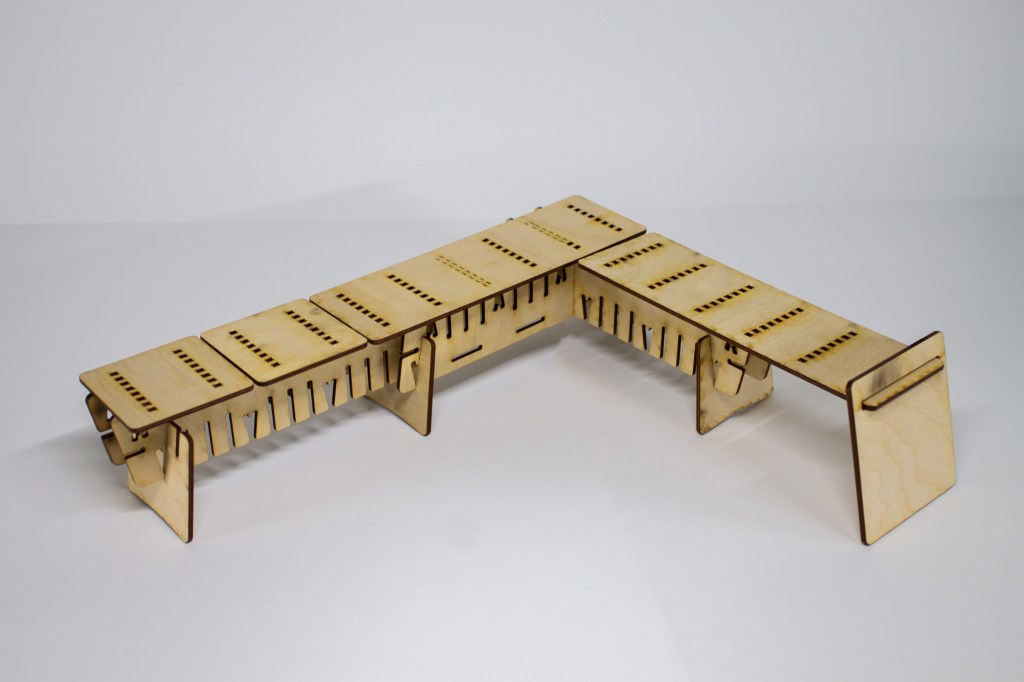
Laser cut plywood, 1/6th scale The second pass at my modular system of components includes formal and functional refinements. These changes include the change in the shape of each fourth groove, allowing the legs to remain splayed outward, even when extending the bench along the length. Additional cuts are made to allow for the side…
-
Spirit of Japanese Joinery: Modular Bench System v1.0
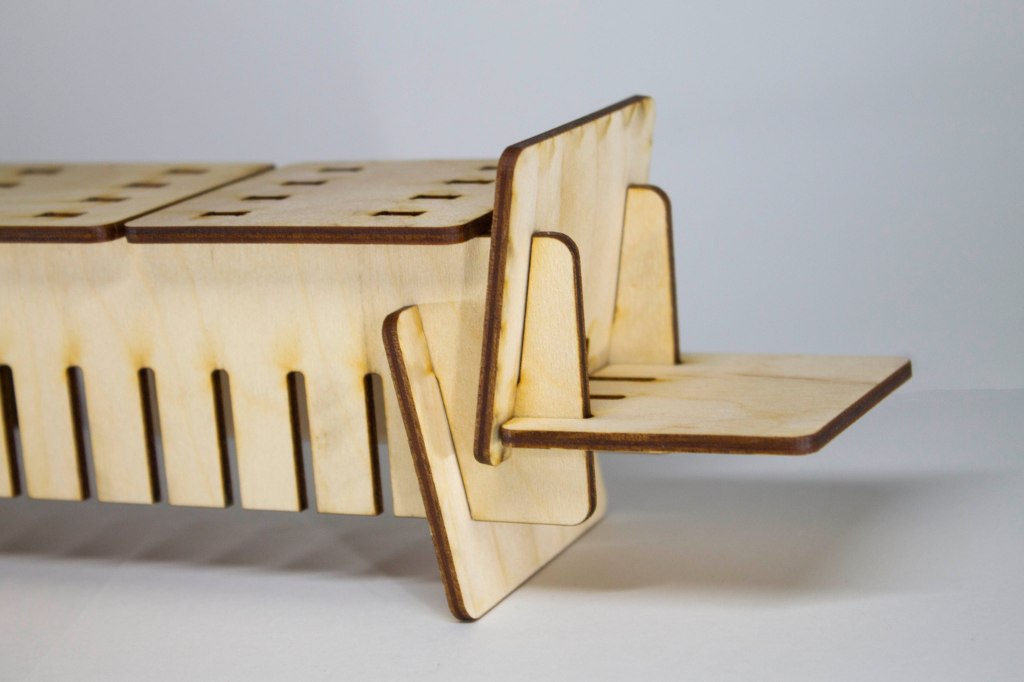
Laser cut plywood, 1/6th scale These study models depict the first conceptual pass at developing a system of modular components, capable of being cut on a CNC machine, which employ the spirit of Japanese joinery to make furniture. These are a few examples of benches or shelves, which you could make with the system. Even…
-
Hana Sen Study Model
Hana Sen, 鼻栓 Also known as the external draw pin joint is a modified version of the mortise and tenon. The tenon extends through and past the mortise, enabling the usage of pins or wedges, which can not only tighten, but entirely lock the joint together. The pin being past the hole of the mortise…

-
Shiro Hozo Study Model
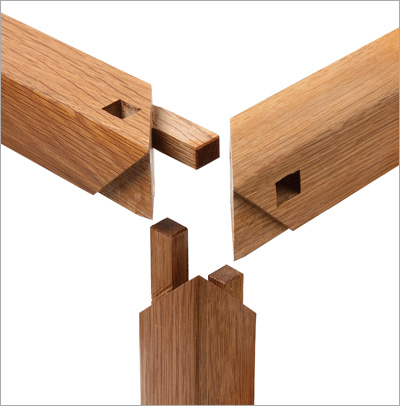
Shiro Hozo, 城 枘 The second joint I am looking at integrating into my research is Shiro Hozo, or the Castle Joint. Named for its resemblance to the crenellations of a castle tower, this joint serves as a remarkably sturdy connection between three orthogonal structural members. This study model, especially when handled, aids in developing…

-
Aigaki – Nightstand
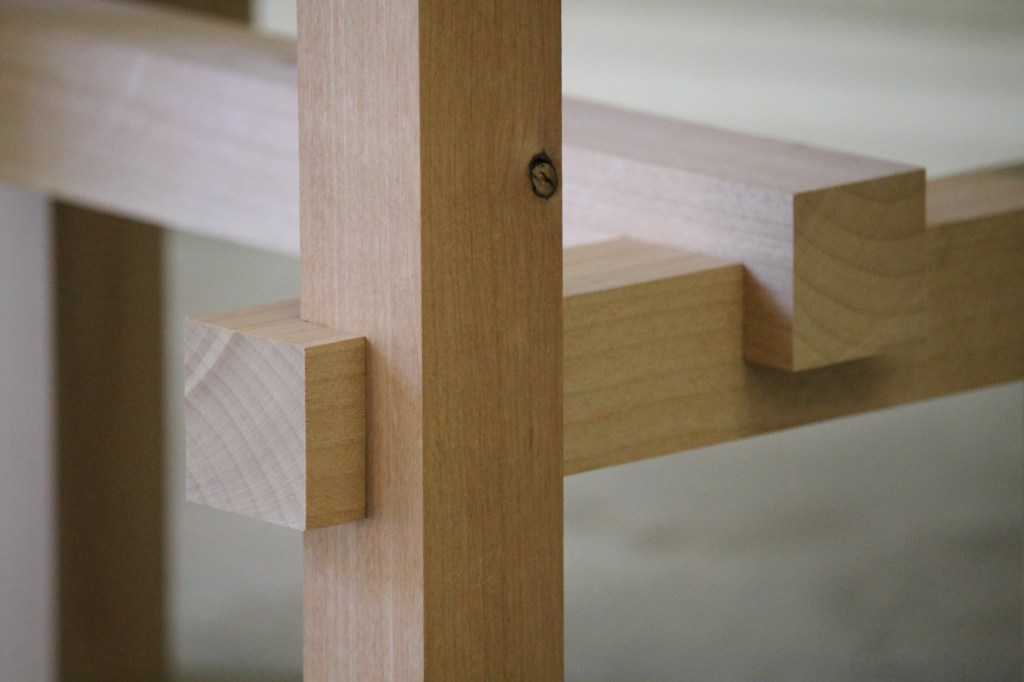
Aigaki, 相欠 Posts from now on will frequently follow the progress and products of my Honors thesis project this upcoming semester, which involves Japanese woodworking joinery and it’s strengths. This simple nightstand was a fun little project, as a proof of concept for what is hopefully to come. It’s assembled entirely of friction-fit parts; free…
-
Prospectus Draft
This is it, the big post. Here is the full draft of my prospectus, barring the schedule and citations. It is a long post, so I’ve omitted images for this one. Enjoy! Introduction This capstone will be analyzing Japanese joinery. By synthesizing an understanding of its social and developmental history, as well as a…
-
Method Draft
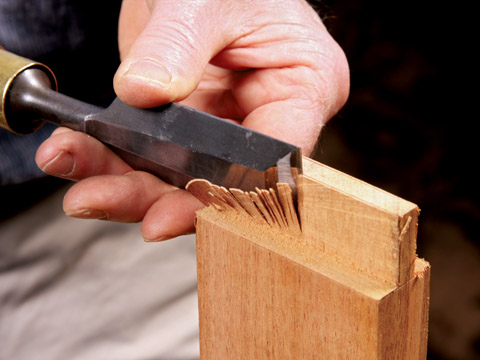
Image: Philip C. Lowe, FineWoodworking.com Working title of project: A Modern Application of Traditional Japanese Joinery CAN SOMETHING SO REFINED AND SPECIALIZED AS JAPANESE JOINERY FIND A NEW NICHE IN A MODERN PREFABRICATION OR MULTIPURPOSE CONTEXT? Theoretical Justification: What is the purpose of this inquiry? At this point, we understand Japanese joinery to be…
-
Prospectus Background
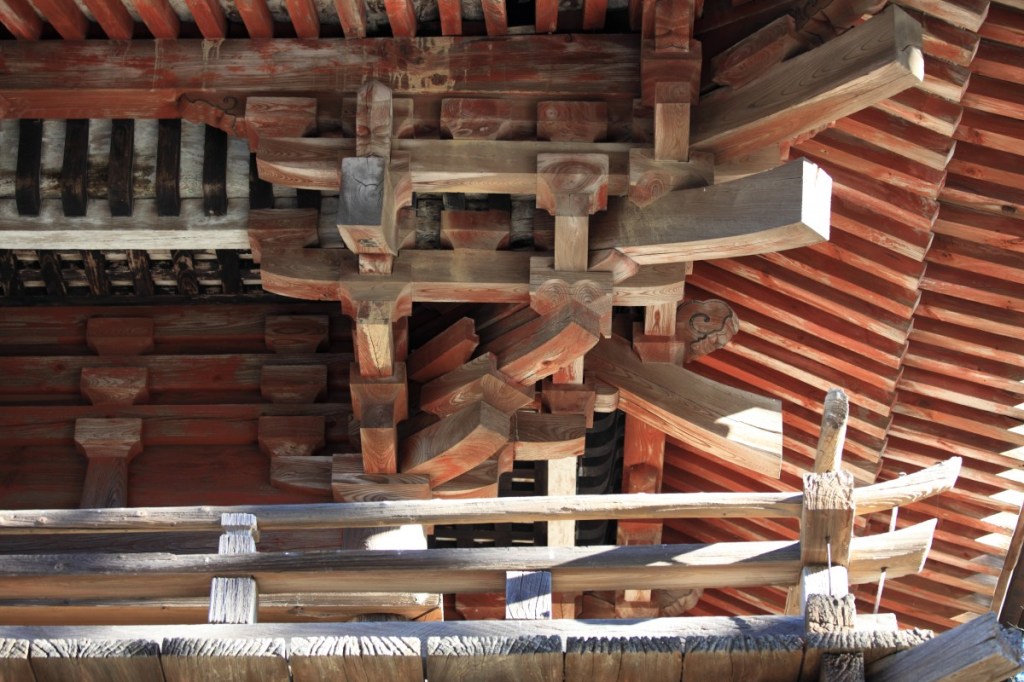
Below is my Prospectus Background section. Fair warning, it is long! I may have gone a bit overboard with the theoretical context but I was having too much fun writing the narrative of Japanese joinery. Featured image credit: Tanaka Juuyoh Context: What lenses am I looking through? Japanese joinery is an art form which…
-
One Step Further
This week begins “Module Three”. At this stage, I will be producing the actual prospectus document, which will largely encompass the format of my blog posts for the next few weeks. Before drafting up this document, I must first implement the changes after reflecting on feedback and critique. In essence, my plan for executing this…
-
Reflecting on Feedback
I made a lot of revisions in response to the individual feedback I received from the preliminary presentation three weeks ago. As a result of this, I ended up switching my planned course for the project in a significant way, and as such I had not fleshed out as many details as perhaps I should…
-
Final Proposal
This week, I have finalized my initial proposal to be presented to the Honor’s Committee. Given the feedback I received on my initial idea for a proposal, I have a much more refined update: Firstly, I assert that something has been lost in a furniture, architecture and broad woodworking industry due to the proliferation of…

-
Making Decisions
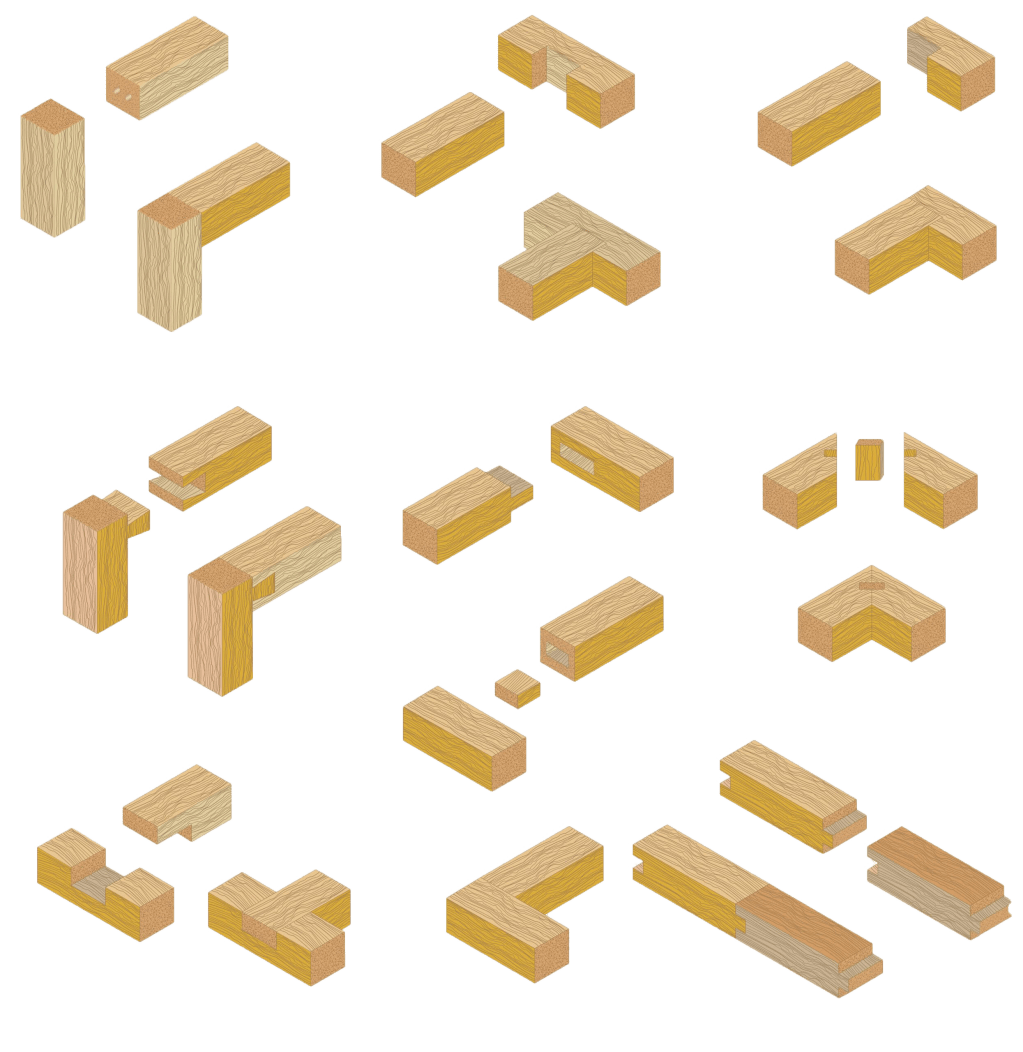
It is time to make decisions. I have floated around with ideas, concepts, and questions, but now it is time to get some things figured out. Of course, nothing here is permanent, but what I establish will set a hard precedent for my actions in the project. This week, I have prepared a presentation to…
-
Method
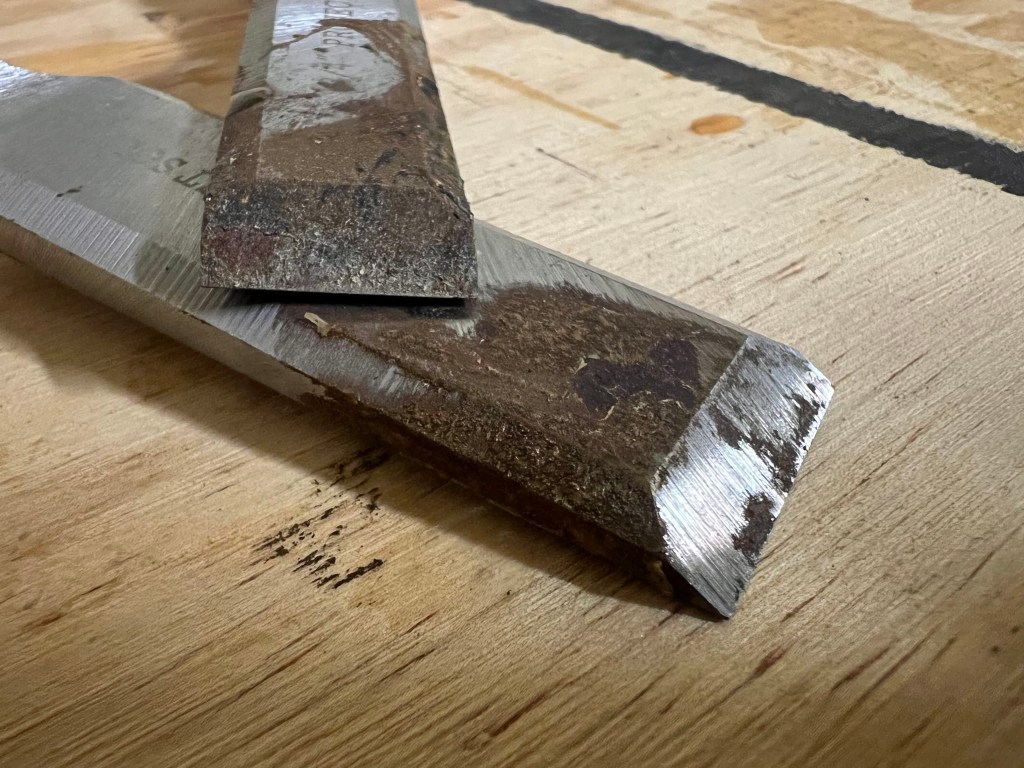
It is time to start thinking about the method by which I will answer my research question. This method is highly informed by the fact that I want to know through what Japanese craftsmanship methods can I improve my own woodworking. In a dream project, this would involve me studying, executing, and implementing these methods…
-
A New Direction
After reviewing the subject matter and method of past capstone projects, I have decided to take my project in a more personally interesting direction. Staying with a focus on Japanese woodworking craftsmanship, I would like to focus more on its potential reapplication in modern furniture making. Initially I was simply too focused on a wider…

-
Advancing the Question
This week, I looked to extend my research. To do this, I delved specifically into the direction of earthquake resistance, and pagoda strength characteristics. All of this is to answer the question I need to know before proceeding, how have pagodas resisted earthquakes and storms for hundreds of years? What value can this hold for…
-
Down To One
The time has come to narrow my selection down to one question. For my love of woodworking, and the greater breadth of resources available, I have chosen to advance with the question: “Should traditional woodworking joinery techniques make a return in the architecture and construction industry?” In this question, I plan to approach it from…
-
Searching: Revisions & Context
It quickly becomes evident when a pair of eyes other than your own are set on your work, what is clear and what is not. It is easy to assume that something you know or are passionate about is universally understood by your peers. I also find that in sharing my own interests with my…

-
Three Questions
Being that this is the first entry in to what will become a year-plus long series of writings documenting my process of developing a Capstone Project, I see it fit to do some introduction. The Capstone project is a design-research synthesis project which “caps” off the Fay Jones Honors College curriculum. Starting with this post,…